 Langue
 English
 français
 Deutsch
 русский
 español
 português


Qu\'est-ce que tu cherches?

Une plaque de protection moteur est une plaque protectrice en métal ou en plastique installée sous le châssis du véhicule. Elle recouvre le bas du moteur, le carter d’huile de transmission, le sous-châssis et les éléments de suspension avant. Sa fonction principale est de bloquer les impacts directs des obstacles routiers tels que les pierres, les ralentisseurs et les nids-de-poule lorsque le véhicule circule sur des routes cahoteuses ou rencontre des débris routiers soudains.

PRÊT POUR UN ABONNEMENT ?
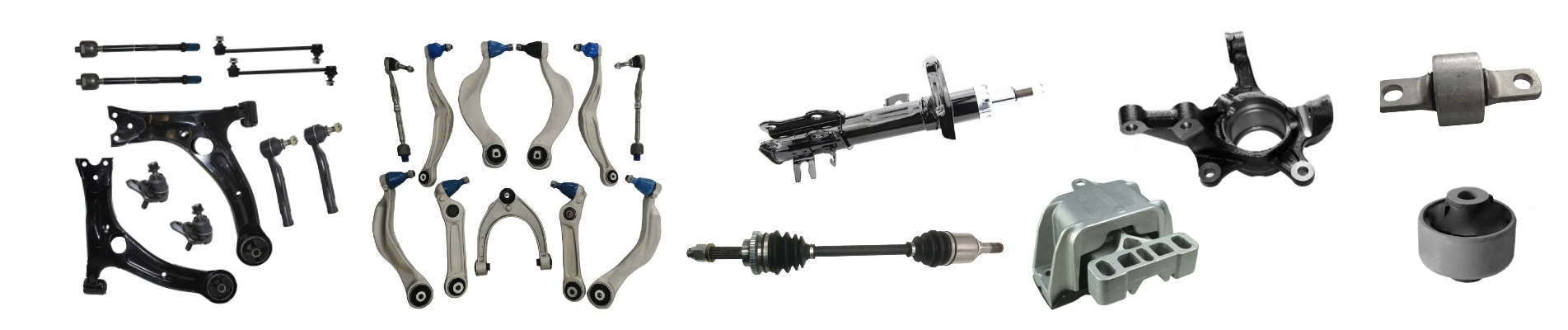
Société SMK fournir des pièces automobiles pour ci-dessous pièces détachées automobiles : Voiture japonaise : Toyota, Honda, Nissan, Mazda, Subaru, Mitsubishi, Suzuki, Isuzu ... Voiture européenne : BMW, Benz, VW, Audi, Skoda, Porsche, Maserati, Renault, Peugeot , Citroën, Fiat, Opel, Land Rover ... Voiture américaine : Tesla, Ford, Chrysler , Cadillac , Buick , GMC, Chevrolet, Lincoln, Fiat, Dodge, ... Voiture coréenne : Hyundai, Kia, Daewoo ... Voiture chinoise : Chery, Geely, GreatWall, Haval, BYD, Changan, JAC... Nous fournissons des pièces dans le monde entier : USA, Canada, Europe, Mexique, Colombie, Corée... Nous sommes un fournisseur leader pour les pièces automobiles ci-dessous : Pièces de suspension et de direction (bras de suspension, biellette de direction, biellette de stabilisation...) Tesla Pièces de rechange P arts. Moteur M comptage/transmission M compte SMK Auto parties est spécialement conçu pour la réparation automobile parties Nos composants de châssis sont soumis à des tests rigoureux pour résister aux conditions routières et climatiques complexes et variables. Nos produits offrent non seulement une durabilité exceptionnelle, mais aussi une large compatibilité et une excellente stabilité, garantissant un support fiable et durable à vos véhicules. De nombreux clients étrangers ont établi avec nous des partenariats durables. Grâce à l'augmentation constante de nos ressources, de nombreux clients internationaux nous confient la production de divers types de pièces automobiles. Afin de répondre à leurs besoins diversifiés, nous avons activement développé de nouvelles gammes de produits. Nous adhérons à des normes de fabrication strictes, garantissant que chaque produit répond aux exigences strictes de sécurité et de durabilité des différents marchés. Nous invitons nos clients du monde entier à choisir nos produits et à améliorer la protection et les performances de leurs véhicules ! SMK privilégie toujours le client, améliore continuellement la qualité de ses produits et le niveau de service, et s'efforce de créer davantage de valeur pour ses clients internationaux. À l'avenir, nous continuerons d'adhérer au principe « qualité avant tout, client avant tout » et travaillerons main dans la main avec nos partenaires pour bâtir un avenir meilleur.
 Réseau IPv6 pris en charge